
Poka-Yoke ポカヨケ
A good process doesn’t ask people to be careful — it’s built so the mistake can’t get through. See what that looks like in the real world, then run a line and prove it yourself.
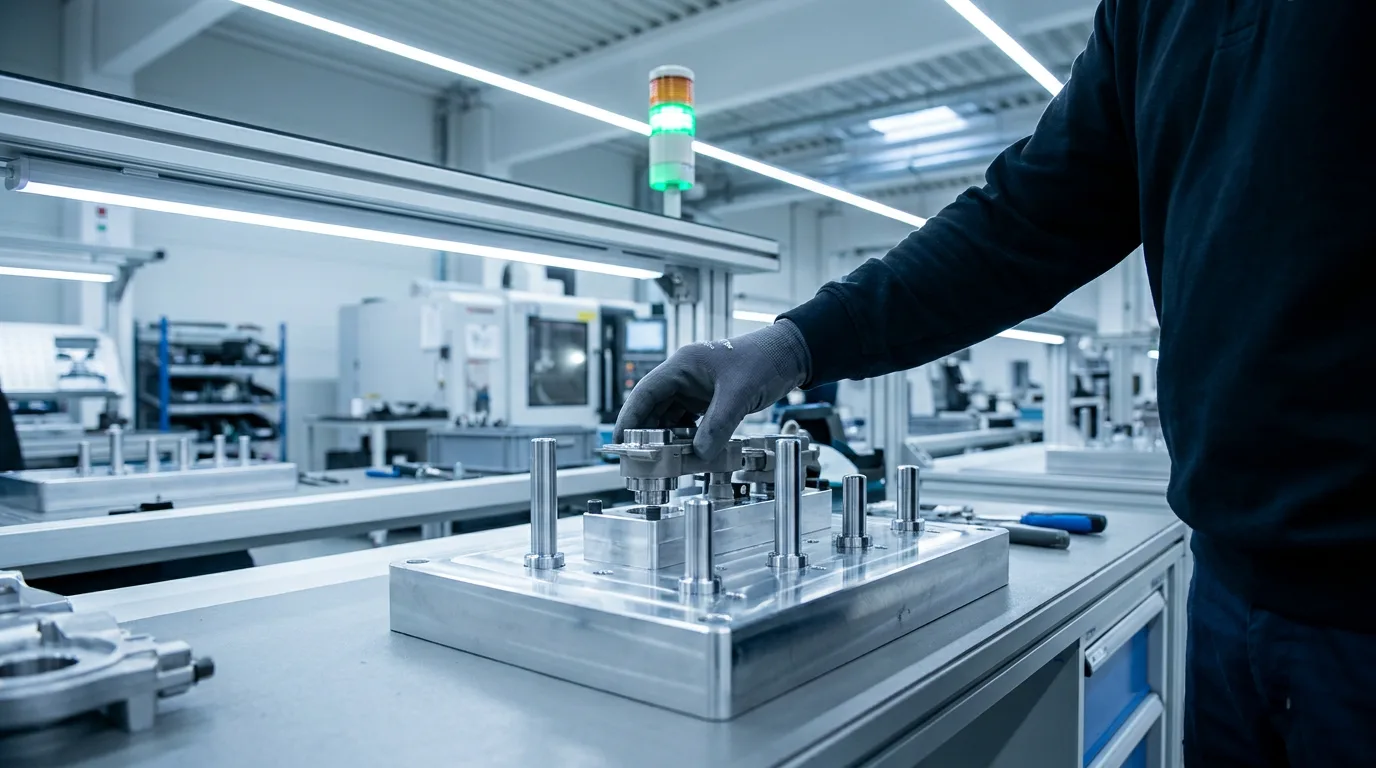
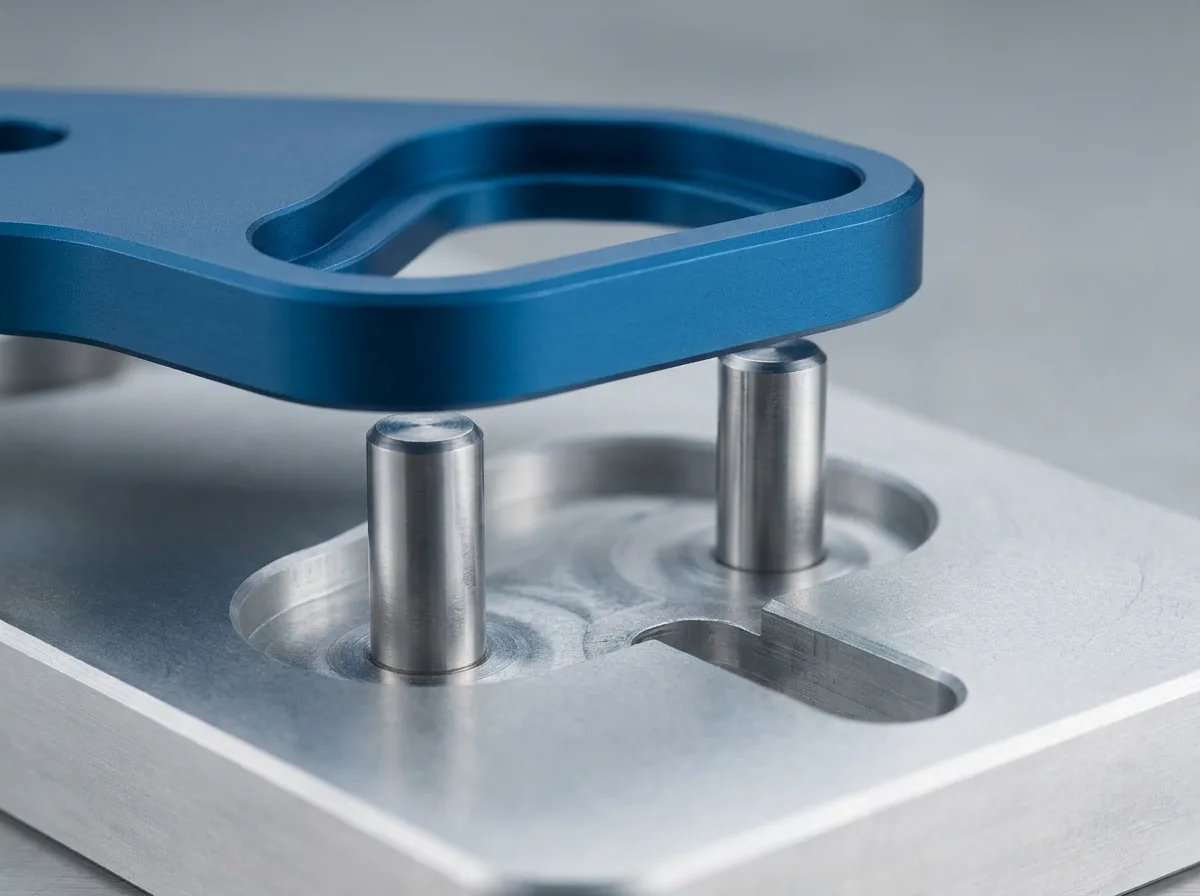
Three ways to catch a mistake
Shigeo Shingo, who formalized poka-yoke at Toyota, grouped mistake-proofing into three detection methods. Pick one to see what it actually looks like — on the line and in everyday life — and when to reach for it.
Poka-yoke is everywhere
You’ve trusted mistake-proofing with your safety a hundred times today without noticing. Here’s the same three methods, hiding in plain sight.
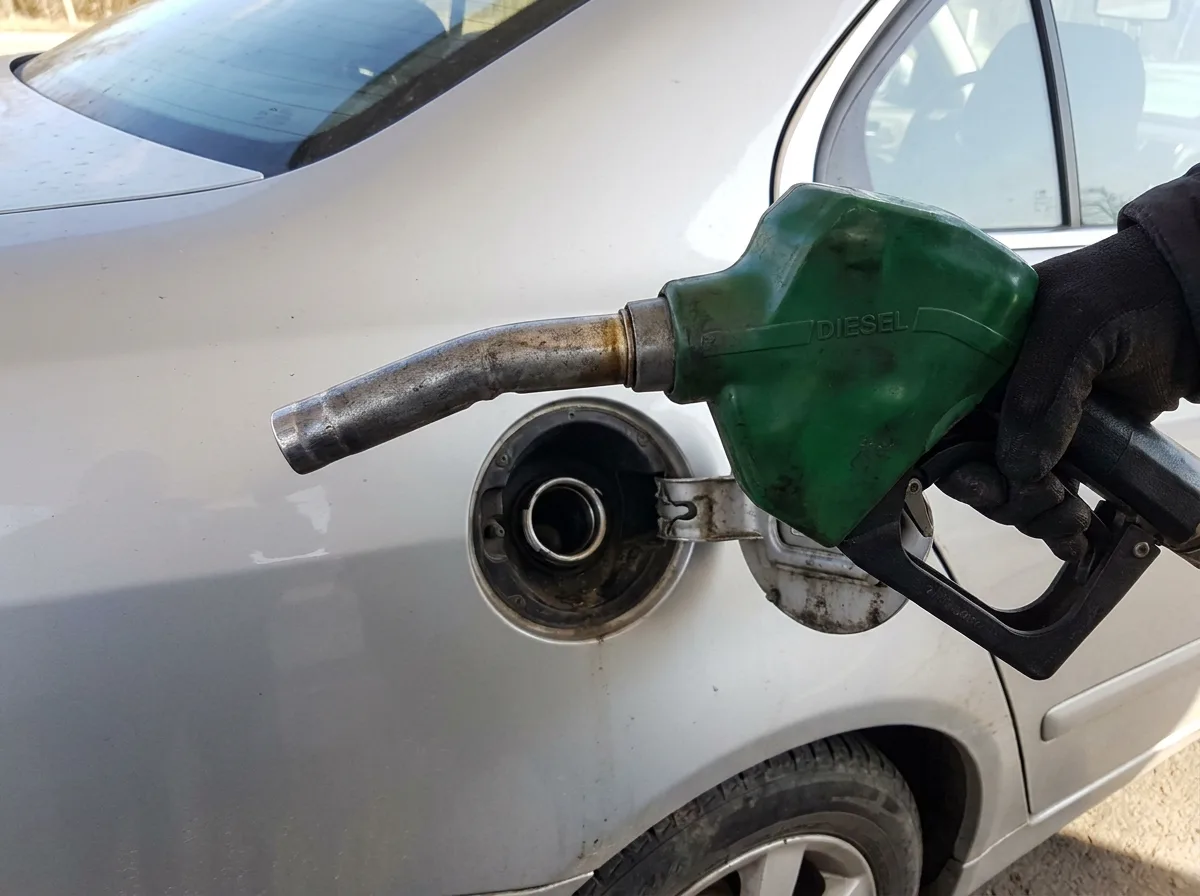
The diesel nozzle
Sized too wide to enter a gasoline filler — the wrong fuel physically can’t go in.
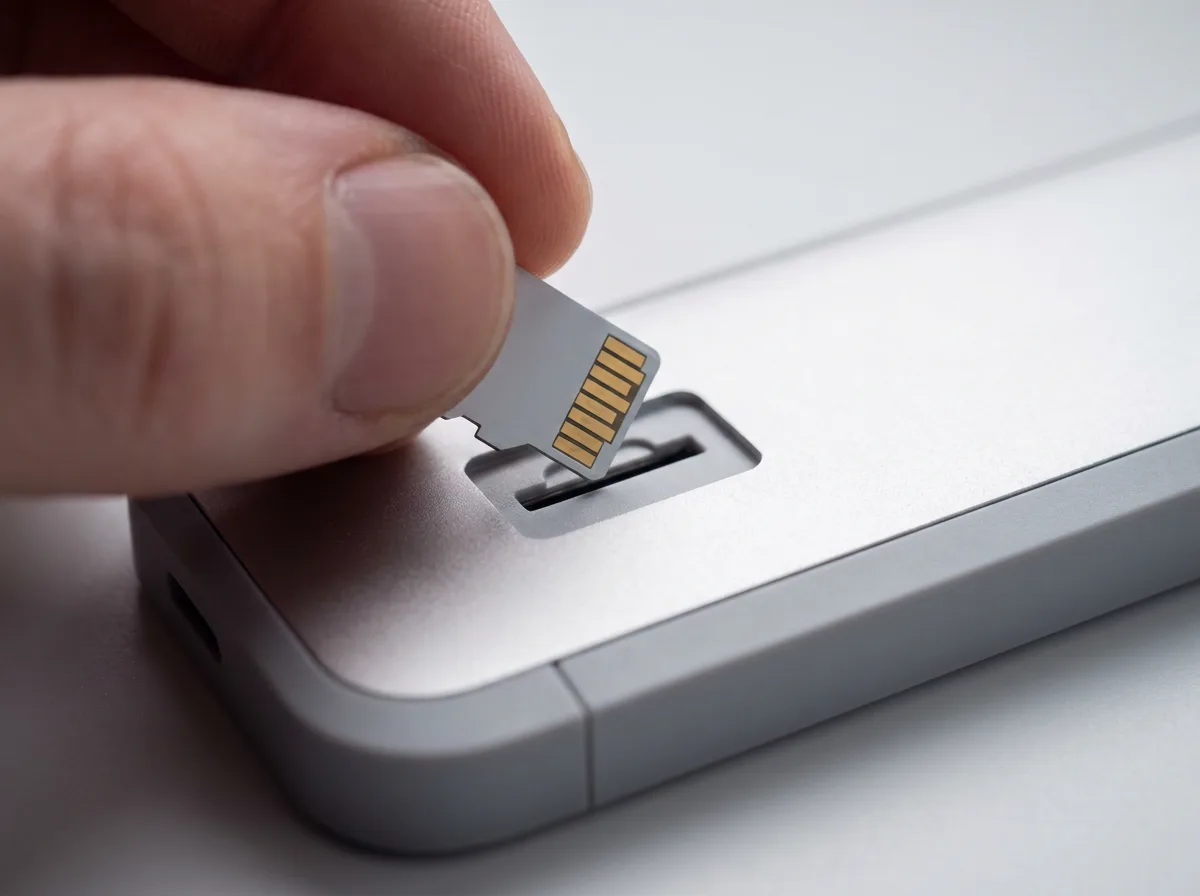
The notched SIM card
One cut corner means it only slides into the slot one way round.
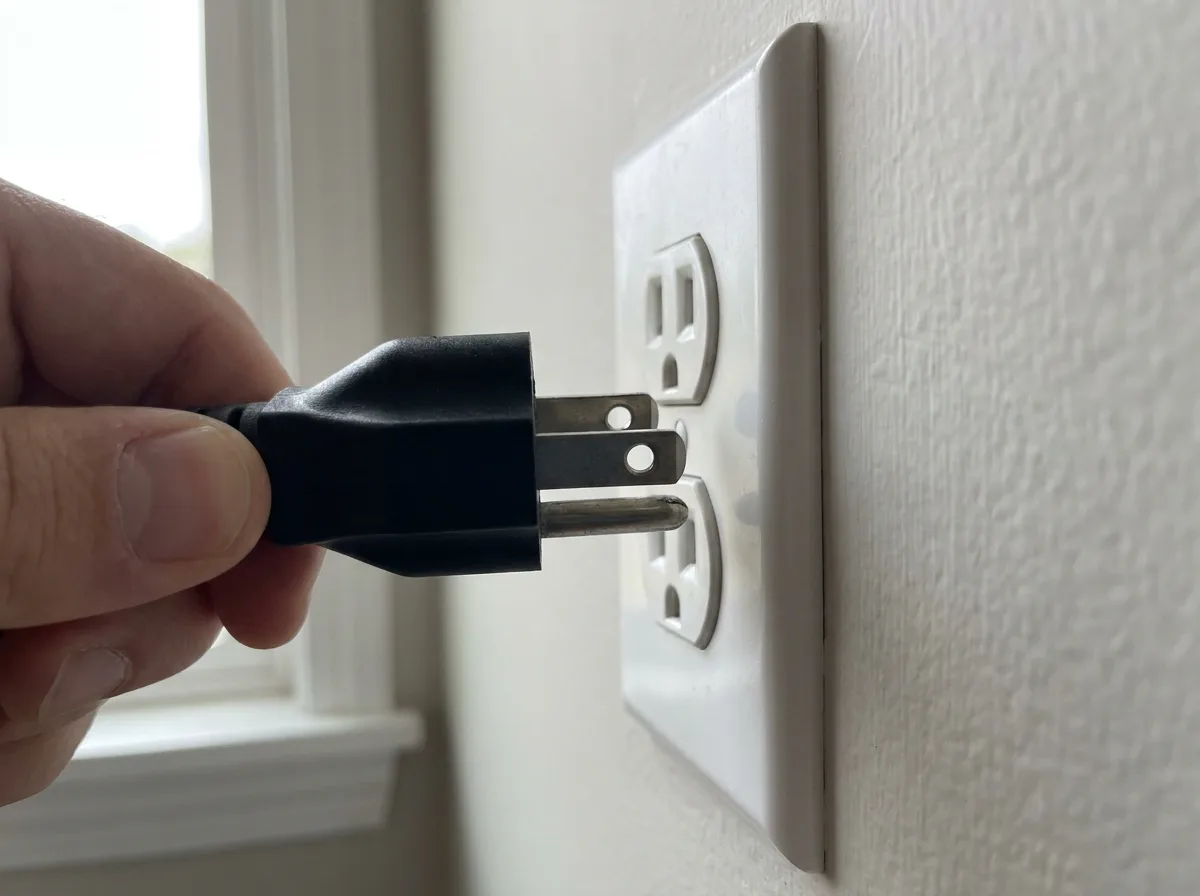
The grounded plug
The offset ground prong makes it impossible to insert upside-down.
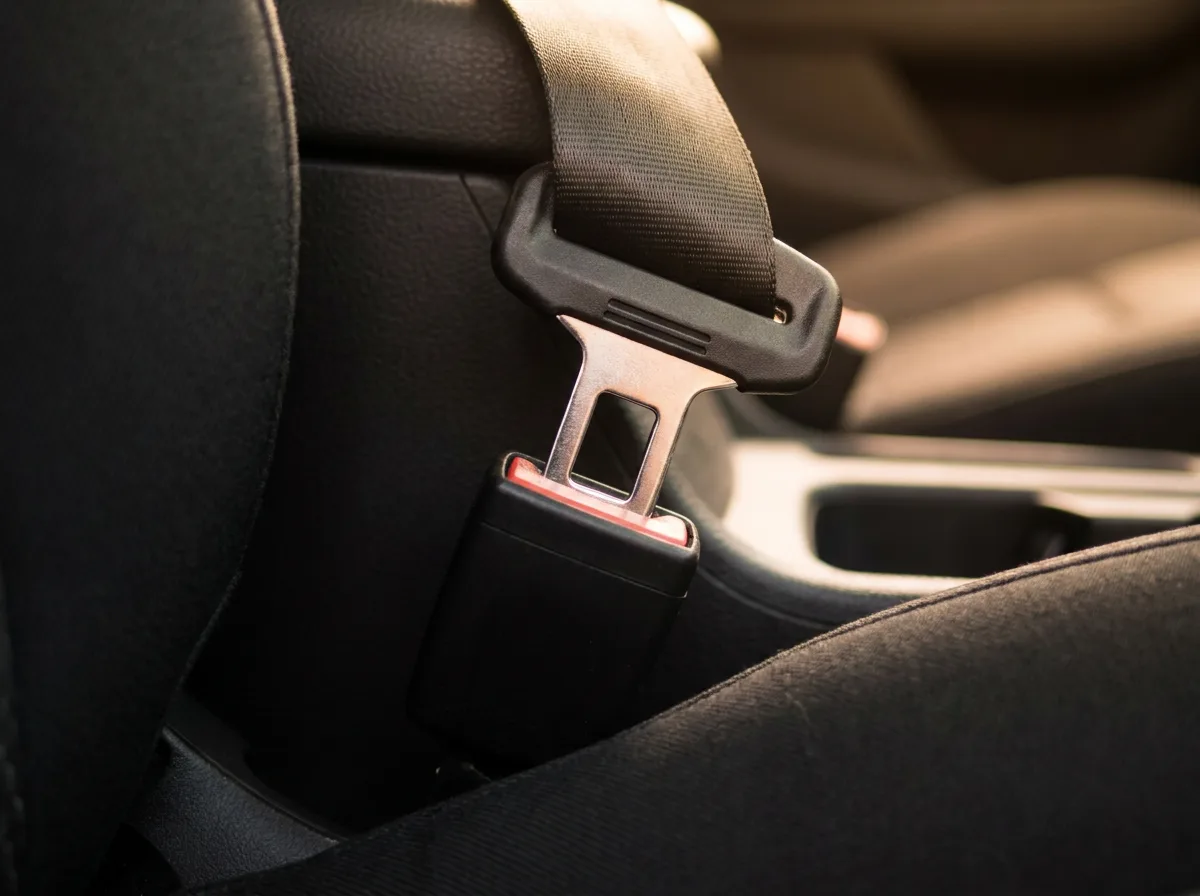
The seatbelt buckle
The tongue is shaped to click into its own receiver — and no other.
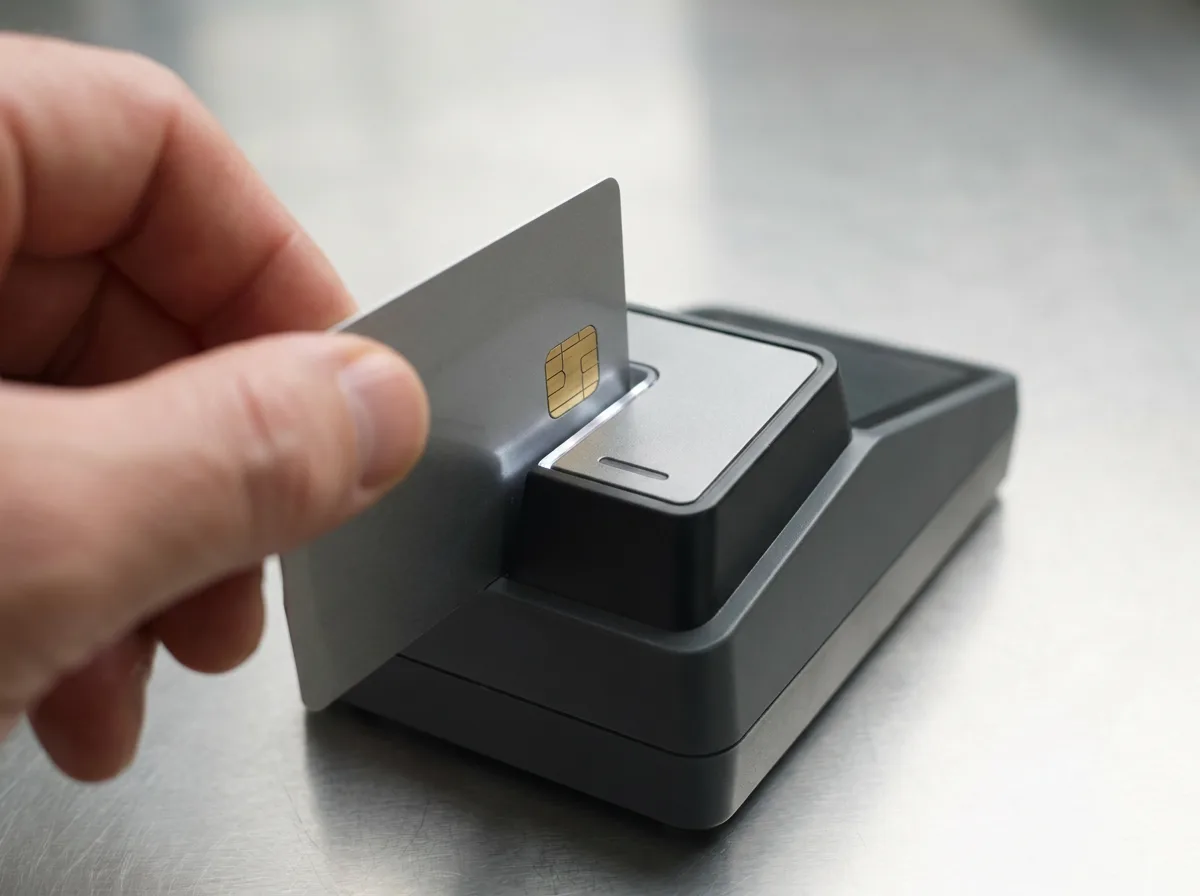
The chip card
The chip and shape only let the card enter a reader one orientation.

The pill organizer
One compartment per dose — a missed pill is obvious at a glance.
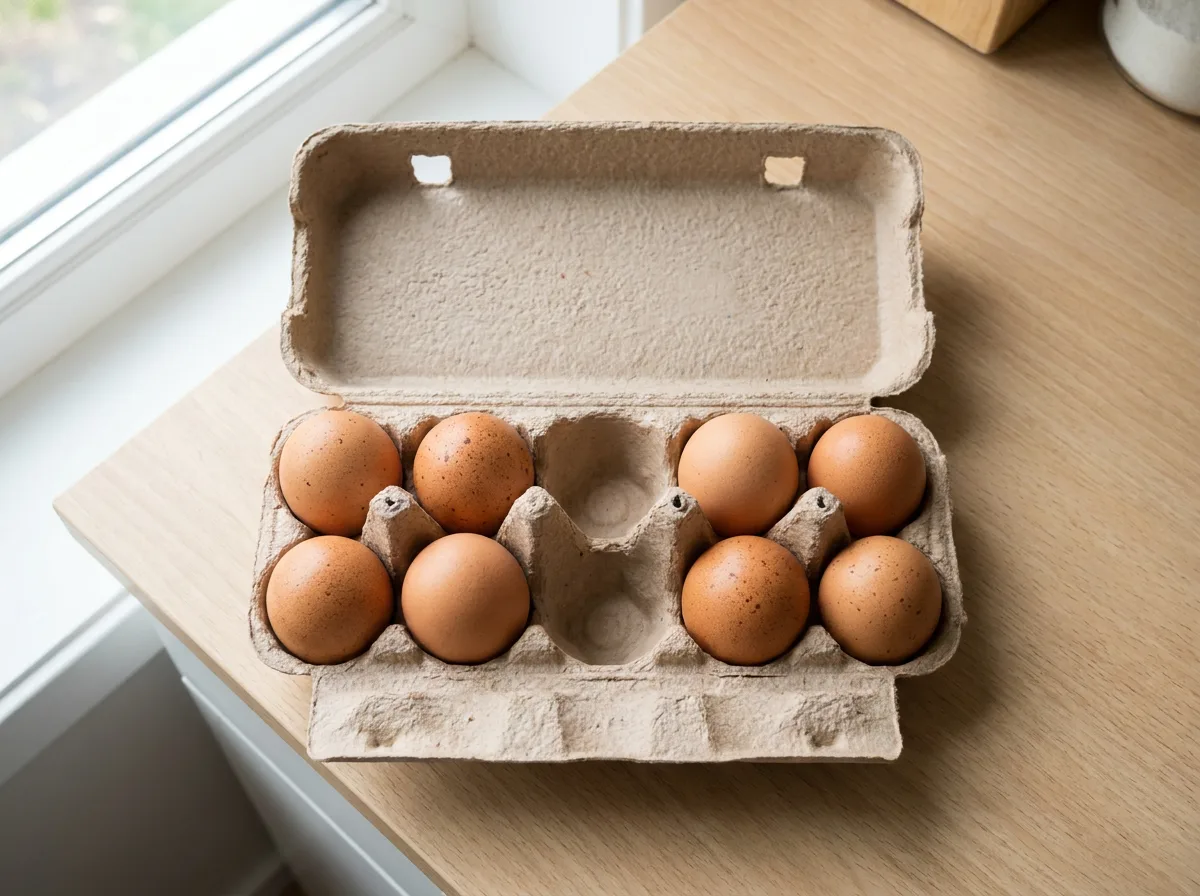
The egg carton
Every cup should hold an egg; one empty cup is a missing-count flag.
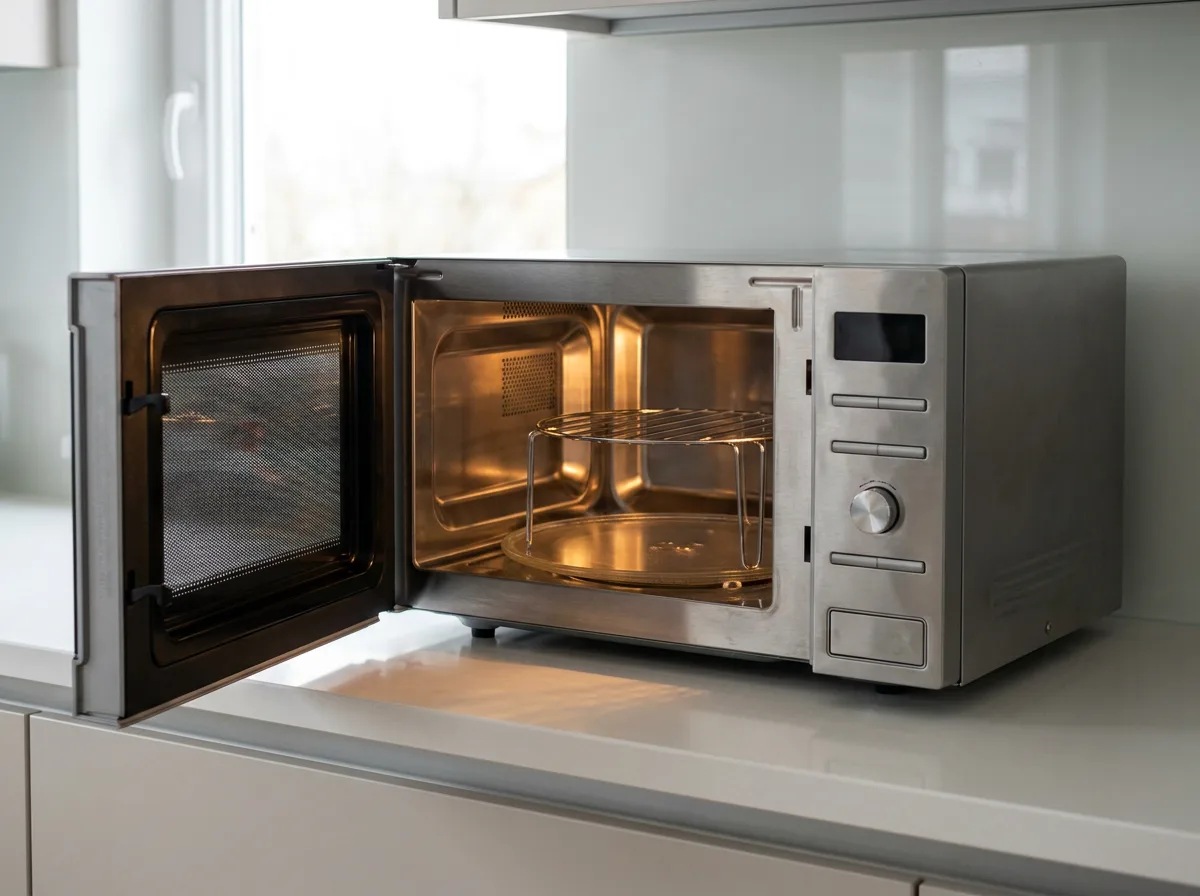
The microwave door
It won’t run until the “close the door” step is done first.

The child-proof cap
Opens only if you push down and then turn — a required two-step sequence.
Catch the mistake yourself
A device only catches what it can physically detect. Play through four missions — introduce a mistake, pick a safeguard, run the line — and feel why the device has to match the error.
Poka-yoke, answered
- What’s the difference between an error and a defect?
- An error is the mistake itself — the wrong part picked, a part left out, a step skipped. A defect is the flawed product that results if the error is not caught before the work moves on. Every defect begins as an error. Poka-yoke targets the error at the moment it happens (source inspection), so the defect is never created — rather than inspecting for defects at the end, after they already exist.
- What are the three types of poka-yoke devices?
- By how they detect a mistake: the contact method uses physical shape — a fixture or pin that only fits the right part, the right way. The fixed-value method confirms a required number of parts or actions occurred and flags a short count. The motion-step method checks that each step happened in the correct sequence, so a skipped or out-of-order step stops the line. Each catches a different class of error, which is why the device has to match the mistake.
- Who invented poka-yoke, and how does it relate to jidoka?
- Shigeo Shingo formalized poka-yoke at Toyota in the 1960s as part of the Toyota Production System. It is closely tied to jidoka — building quality into the process so problems surface immediately and the line can stop at the source rather than passing defects downstream. The term was originally “baka-yoke” (fool-proofing) and was renamed “poka-yoke” (mistake-proofing) to respect the operators using it.
Founder of Kaizumi, an AI-powered Lean training platform. More about Matthew →
Updated July 2026 · Devices, everyday examples, and all figures are illustrative, created for teaching. Poka-yoke was formalized by Shigeo Shingo at Toyota as part of the Toyota Production System.