
The mind on the line
Every unit is one pass of a thinking loop
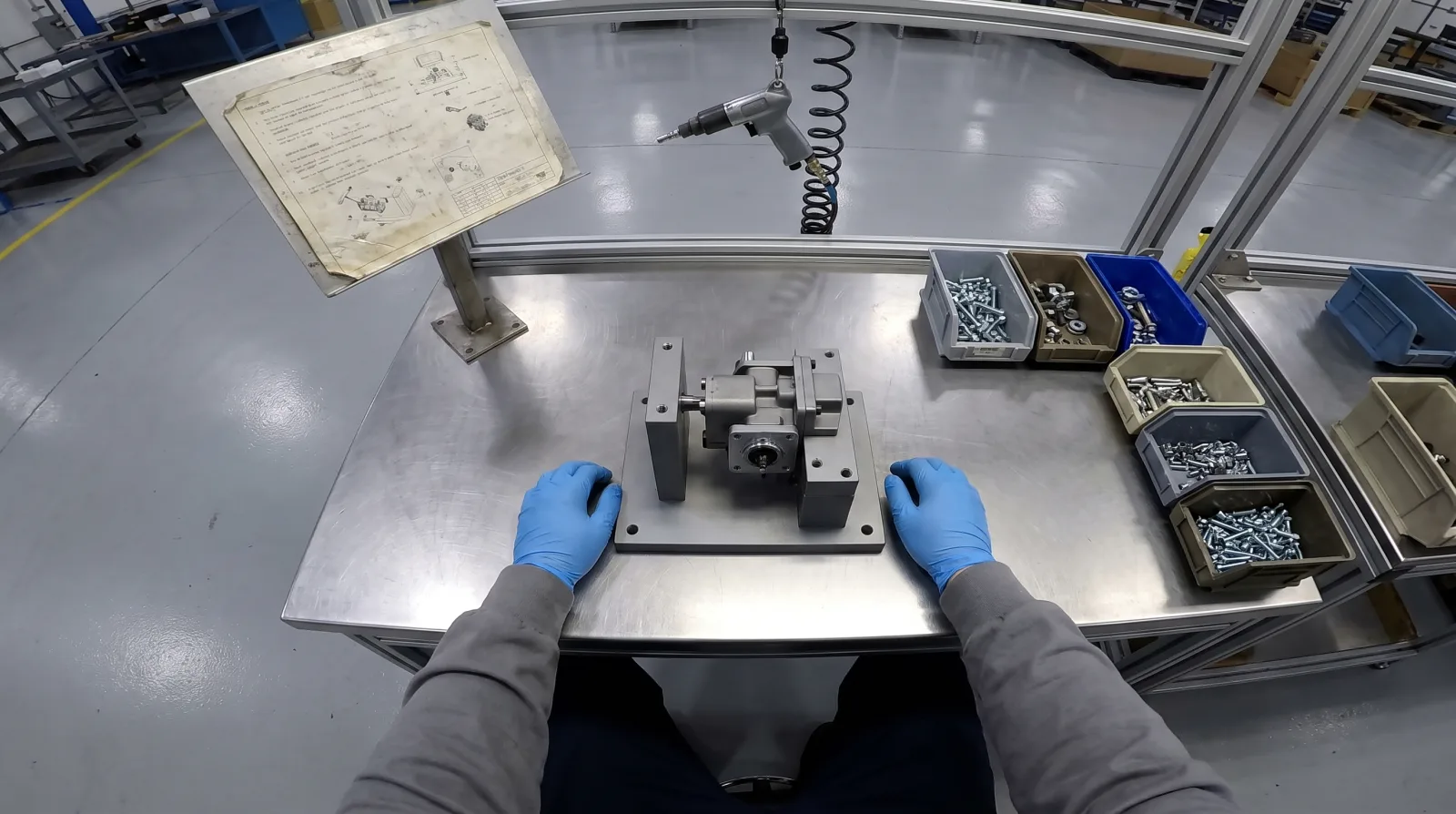
The work looks physical — reach, fit, check. But each unit runs through three silent demands first: read the slip, recall the part, then build. The person — not the machine — is the protagonist of this workplace.
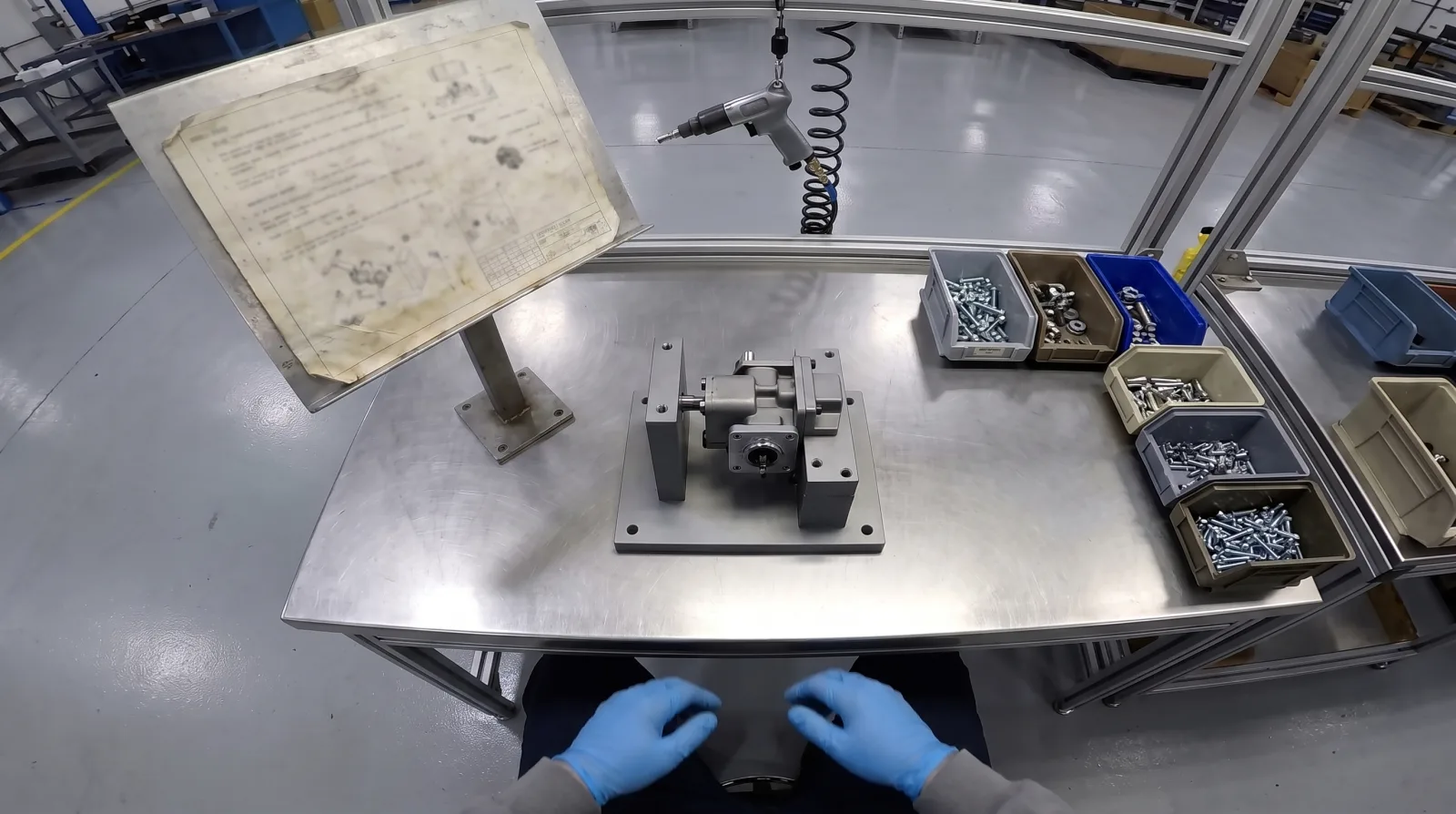
You read the slip.
Before a single part moves, you decode what this unit needs from the instruction board. Pure information processing.
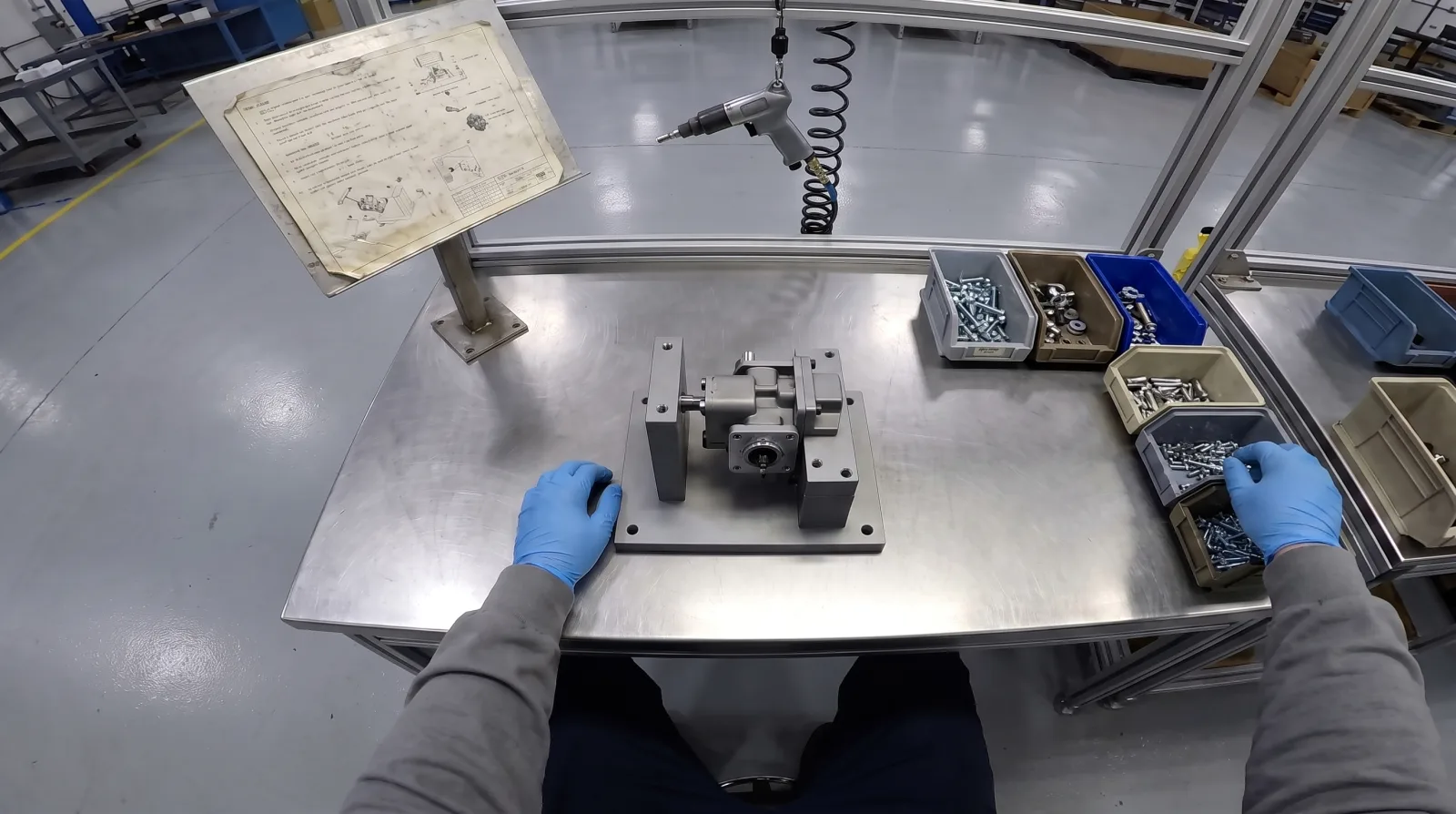
You recall the part.
Among bins of near-identical parts, you pick the right one — leaning on what you just read and remember.
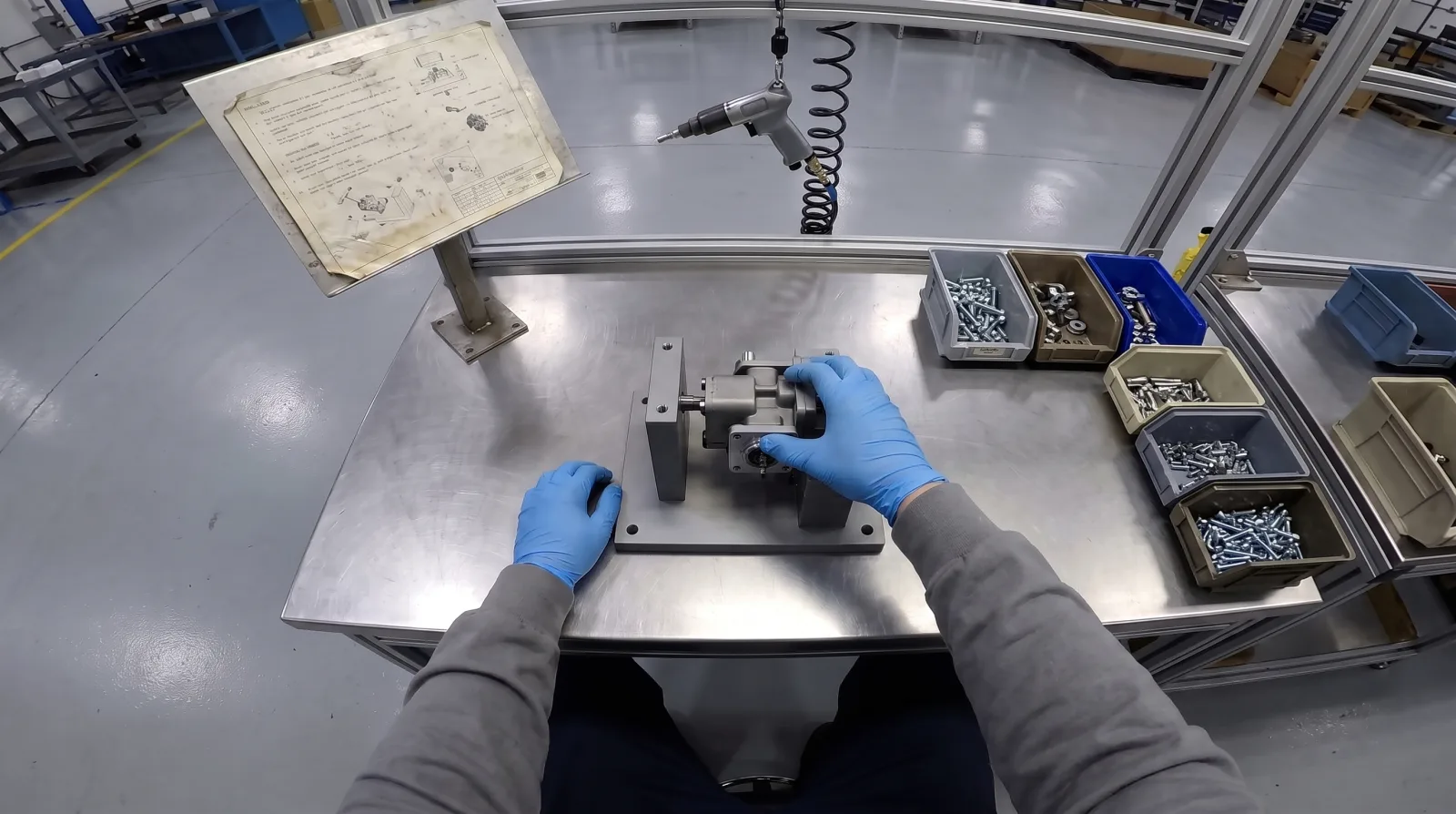
You build it.
Transport, fit, check — the visible work. Then the loop resets for the next unit, and again, all shift.
Two quick drills — against the clock, just like the line. Don’t overthink it. The bar on the right is your mental load; it rises with every second you hesitate and every miss.
Find the build called for — before takt runs out.
The slip is gone. Now pick the right part.
Volume and options shift takt every day. When takt moves, the work-combination moves with it — and drifts away from standard work.
One stable takt, one clean combination.
When takt holds, the job is mostly value-adding beats — and easy to learn.
Volume moves; takt shifts.
A new takt means the work is re-split to fit the clock. The combination changes — and movement leaks in.
Now it’s mostly motion.
More patterns, further from standard work, loaded with movement that adds nothing. Frustrating to run — and the load stays pinned.
The fix isn’t faster hands. It’s designing the job so the worker barely has to decode or remember at all — meaningful, easy-to-understand work combinations. Watch the load you built come back down.
Same part, same place.
Put the same work in the same place every time. Now there’s nothing to look up — the decode burden drops.
Aggregate by location.
Group the job into one coherent region of the unit, instead of scattered, memory-heavy errands.
Make it complete.
Each job finishes a whole function — meaningful, and easy to remember.
Even out the load.
Balance manpower so patterns are few and stable. The combination stops thrashing — and so does the worker’s head.
A process that takes care of people
Because the line runs on motivation, ability and skill, the goal isn’t faster muscle. It’s a workplace where problems are visible, skill grows, and workers improve their own work.
A job that returns something to the worker.
Each of these is the flip-side of a load you just felt. Together they describe a workplace that values people.
Problems show; skill grows.
When workability problems are visible and workers can improve their own jobs, the line gets better and calmer.
The load settles.
No frantic decode, no fragile memory — the gauge rests low. That’s the condition we’re aiming for.
Photos are AI-generated for this guide (generic, unbranded). Drills are illustrative. The concepts — the person as the protagonist of the workplace, the read→remember→combine loop, the mental burden it creates, meaningful work combinations, and simple-and-rhythmic process design — are from a Toyota standardized-work training document on the environment around assembly.
Frequently asked
- Why is assembly work described as a “thinking job”?
- Because every unit runs through a hidden mental cycle before any part moves: the operator reads the instruction slip (information processing), recalls and selects the right part from many near-identical ones (memory), then transports, fits, and checks (skill). The visible work is the hands; the real load is the reading, remembering, and deciding — repeated all shift.
- What is cognitive load on an assembly line?
- It is the mental effort the work imposes, separate from physical effort. It comes mainly from three places: decoding scattered information on the instruction board, picking parts by memory when parts look near-identical, and constantly re-learning the job when takt and the work-combination keep changing. High cognitive load shows up as fatigue, errors, and frustration — and it lengthens the time it takes a new operator to become proficient.
- What is a “work combination,” and why does changing takt make it worse?
- A work-combination is the specific set and order of elements assigned to one operator to fit the takt time. When volume or model mix shifts, takt changes, so the work is re-split to fit the clock — the combination changes. Each new pattern drifts further from standard work, adds movement that creates no value, and forces the operator to relearn the job. Frequent re-shuffling is one of the biggest hidden sources of mental load.
- How do you reduce the mental load of assembly work?
- Design the job so the operator barely has to decode or remember. Four principles do most of the work: fit the same part at the same place every time (so there is nothing to look up), aggregate the work by area of the unit (one coherent region, not scattered errands), make each job a complete function the worker can see and own, and balance manpower so there are few, stable patterns. Together these make work meaningful and easy to remember.
- What does a “simple and rhythmic” process mean?
- Simple means little difference in manpower between operators, few work patterns, and meaningful, easy-to-remember work — achieved through how the process is composed. Rhythmic means the fixed-position stop is held, frustrating work and movement jams are removed, and the operator can ride a steady beat and work calmly — achieved through work improvement and skill training. A simple, rhythmic line is easier to learn, lower-stress to run, and a workplace that values the people on it.